Tiếng Việt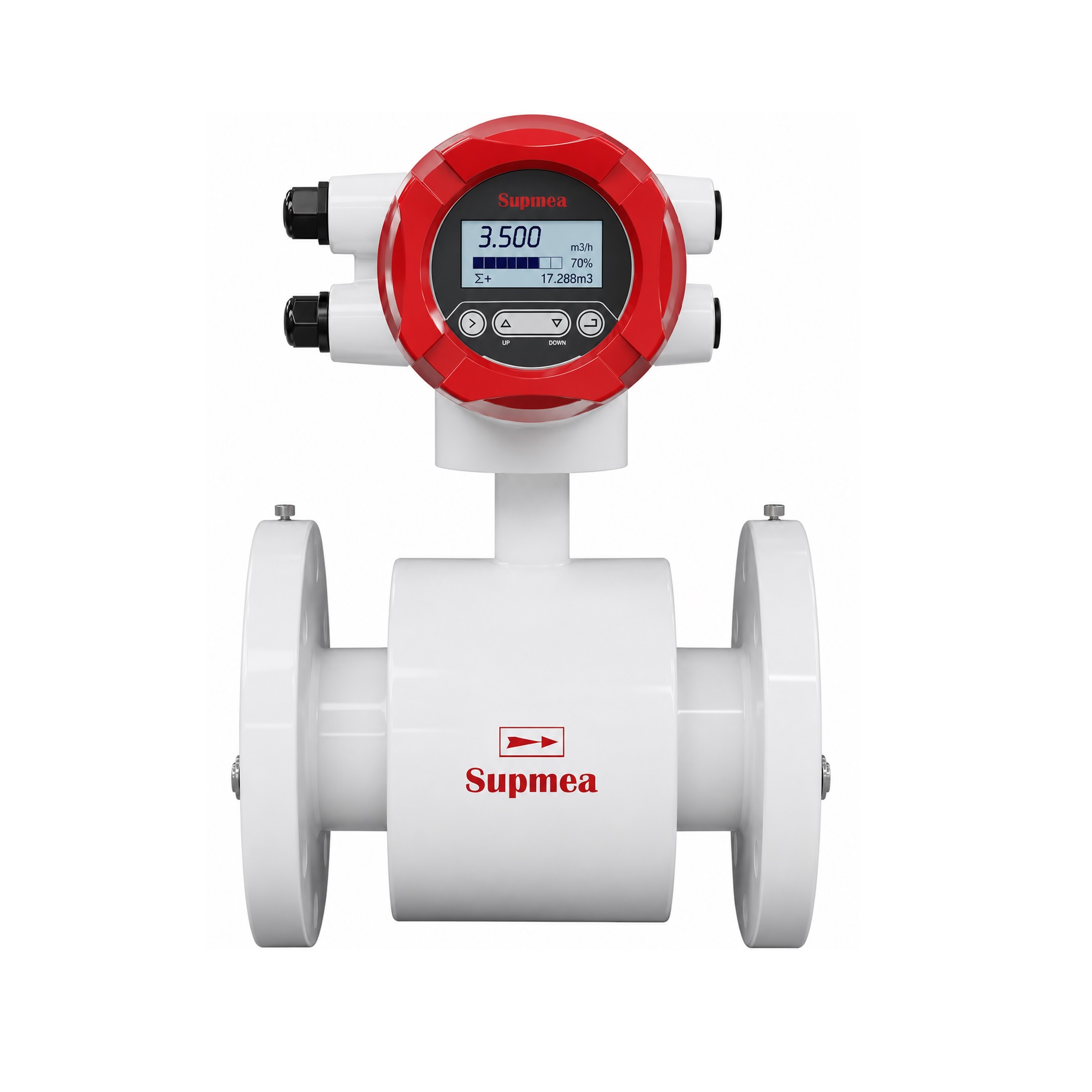
Technical Data
Body Material
Stainless Steel
Nominal Diameter Range
DN10 to DN1000
Protection Rating
Compact Version: IP65 Remote Version: Sensor IP68, Converter IP65
Ambient Temperature
-10°C to 55°C
Accuracy
±0.5% of measured value (within the velocity range of 0.5–5 m/s)
Minimum Conductivity
≥ 20 μS/cm
Introduction to the Supmea BTU Meter
The Supmea BTU Meter is an integrated measurement device that combines the functions of an electromagnetic flowmeter and a thermal energy calculator for heating or cooling applications. It is primarily used to simultaneously measure the flow rate of conductive liquids, such as water and cooling media, flowing through a pipeline, as well as the corresponding amount of thermal energy consumed or transferred by the system.
The device is widely used in commercial buildings, hotels, hospitals, manufacturing facilities, and other applications that rely on modern HVAC systems. With its stable measurement performance, intuitive display, and effective energy management capabilities, the Supmea BTU Meter has become a preferred solution for organizations seeking accurate monitoring and control of heating and cooling energy costs.
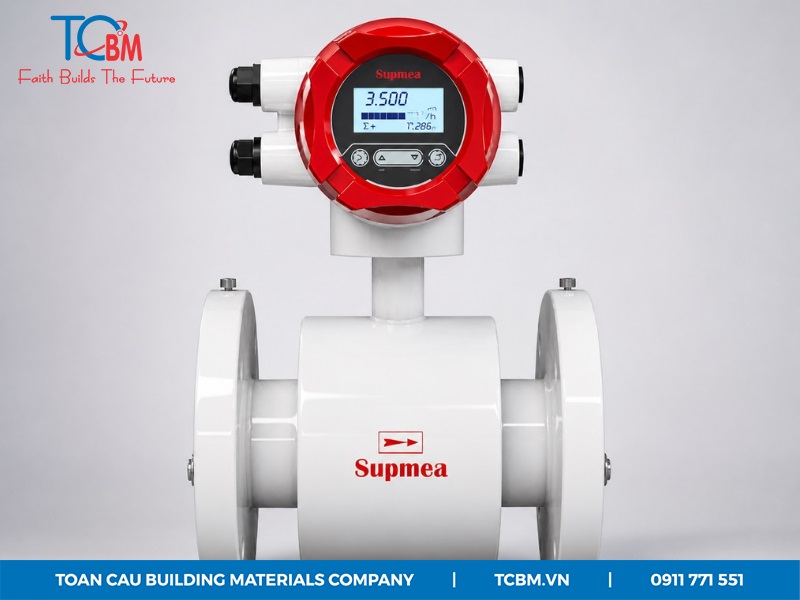
Main Components of a BTU Meter
A BTU Meter consists of several specialized components that work together to measure flow rate, temperature, and thermal energy consumption within a system. This integrated design ensures stable operation, accurate data collection, and effective energy management for building and industrial applications. A typical BTU Meter system, such as the SUP-FBC240, generally includes the following components:
- Flow Sensor: Measures the real-time flow rate of water passing through the pipeline, providing essential data for thermal energy calculations.
- Two Temperature Sensors: Installed on the supply and return water lines to determine the temperature differential across the system.
- Central Processing Unit (Calculator): Receives data from the flow sensor and temperature sensors, then calculates total energy consumption in BTU, kWh, or other applicable units.
- Display Unit: Shows key operating parameters, including flow rate, temperature, instantaneous power, and accumulated energy consumption.
- Communication Interface: Depending on the model, the device may support RS485, Modbus, M-Bus, or Pulse Output for integration with Building Management Systems (BMS) and centralized monitoring platforms.
Operating Principle of the Supmea BTU Meter
The Supmea BTU Meter operates by combining electromagnetic flow measurement with thermal energy calculation based on temperature differential:
- Flow Measurement: The device applies Faraday’s law of electromagnetic induction. When a conductive liquid flows through the measuring tube within a magnetic field, an electromotive force (EMF) is generated. This induced voltage is proportional to the flow velocity, magnetic flux density, and pipe diameter, enabling the meter to accurately determine the volumetric flow rate.
- Temperature Measurement: The BTU Meter uses a pair of temperature sensors, typically Pt1000 RTD sensors, installed at the inlet and outlet of the heat exchange system. These sensors continuously measure the temperatures of the supply and return lines.
- Energy Calculation: The thermal energy calculator determines the total energy consumption based on the following parameters:
- Mass flow rate of the fluid.
- Enthalpy difference between the inlet and outlet conditions, derived from the measured temperature differential.
- Flow duration or operating time of the system.
Accessories for the Supmea BTU Meter
To ensure accurate and reliable operation, the Supmea BTU Meter should be installed with the appropriate accessories based on the specific application and installation conditions. Each accessory serves a dedicated function, such as temperature measurement, flow measurement, or data communication. Together, these components help optimize system performance and improve the accuracy of thermal energy calculations.
The following are some of the accessories commonly used with a Supmea BTU Meter:
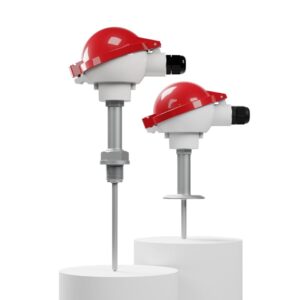
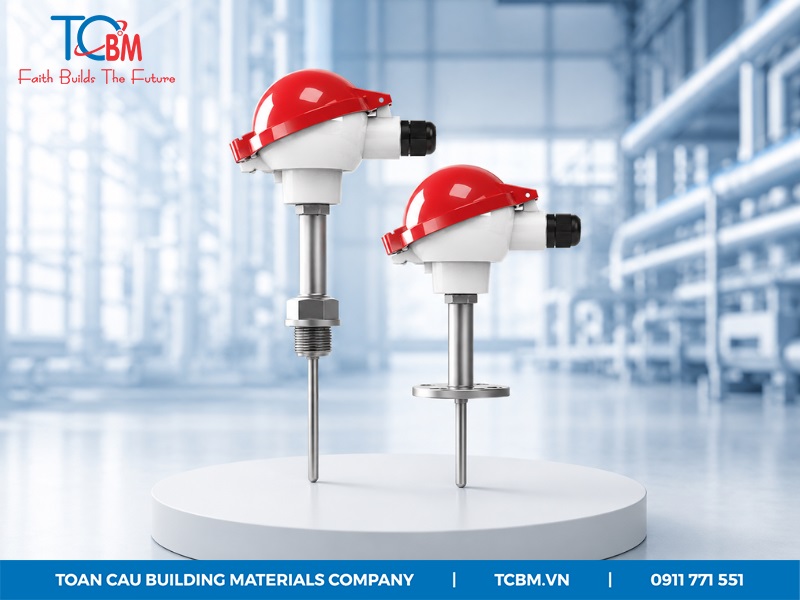
SUP-WZPK Temperature Sensor
The SUP-WZPK temperature sensor is designed to measure the temperature of liquids or process media within pipeline systems. It utilizes Pt100/Pt1000 sensing elements, providing high measurement accuracy and stable signal output. With its robust construction, fast response time, and flexible installation options, the sensor is well suited for a wide range of technical and industrial applications.
When used in conjunction with a BTU Meter, the SUP-WZPK measures the temperatures of the supply and return water lines to determine the system’s temperature differential. This data enables the BTU Meter to accurately calculate thermal energy consumption, supporting more effective energy monitoring and management.
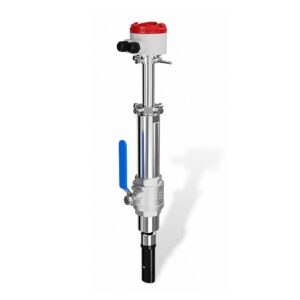
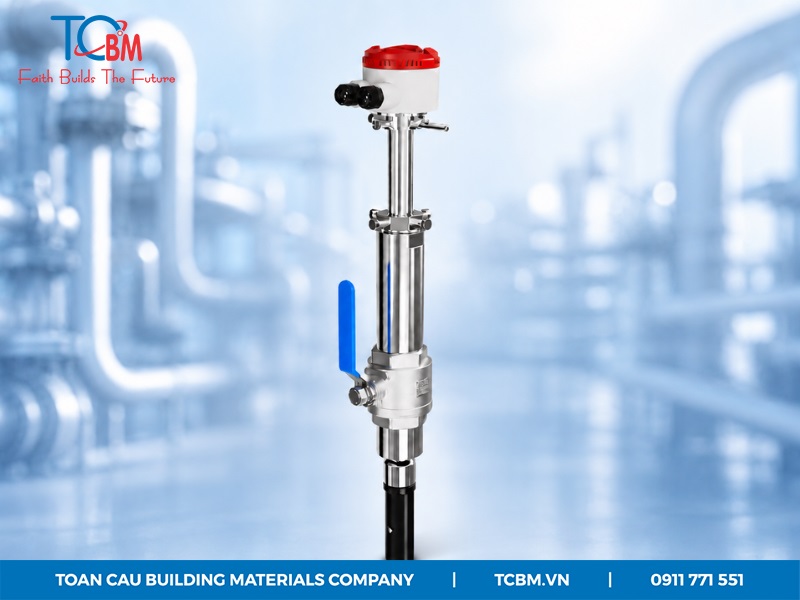
LDGC-SUP Insertion Type Electromagnetic Flowmeter
The LDGC-SUP Insertion Type Electromagnetic Flowmeter is designed to measure the flow rate of conductive liquids in large-diameter pipeline systems. Operating based on Faraday’s law of electromagnetic induction, the flowmeter delivers stable measurement performance, minimal pressure loss, and excellent suitability for a wide range of industrial water applications.
When integrated with a BTU Meter, the LDGC-SUP accurately measures the flow rate of circulating water within the pipeline. Combined with temperature data collected from the temperature sensors, this flow information enables the BTU Meter to precisely calculate thermal energy consumption, helping improve energy management and operational efficiency in building and industrial facilities.
See more: LDG-SUP Electromagnetic flowmeter
Key Features of the Supmea BTU Meter
When selecting an energy metering solution for HVAC systems, users typically prioritize accuracy, reliability, durability, and seamless integration with energy management platforms. The Supmea BTU Meter meets these requirements through the following key advantages:
- Integrated 2-in-1 Design for Cost Savings: Combines flow measurement and thermal energy calculation in a single device, reducing the number of components required and lowering initial installation costs.
- High Measurement Accuracy: Offers a flow measurement accuracy of ±0.5% within a velocity range of 0.5 m/s to 5 m/s, ensuring reliable and transparent energy consumption monitoring.
- Stable Measurement Results: Features a repeatability of 0.16%, helping maintain consistent measurement data across different operating cycles.
- Strong Noise Immunity and Reliable Operation: Utilizes low-frequency square-wave excitation technology to improve zero-point stability and enhance resistance to electrical interference in complex technical environments.
- Durable and Low-Maintenance Design: The solid-state construction contains no moving parts, minimizing mechanical wear and reducing maintenance requirements.
- Excellent Corrosion Resistance: The meter body is manufactured from 316 stainless steel (316 SS), making it suitable for chilled water, hot water, and continuously operating systems.
- Wide Range of Sizes: Available in sizes ranging from DN10 to DN1000, accommodating applications from small commercial installations to large-scale piping systems.
- Smart Connectivity and System Integration: Supports RS485 Modbus RTU as standard, with optional 4–20 mA, Pulse Output, and HART communication, enabling seamless integration with BMS platforms and centralized monitoring systems.
Applications of the BTU Meter
BTU Meters are widely used in HVAC and energy management systems where accurate monitoring of heating and cooling energy consumption is required. The device helps building owners and facility managers control operating costs, allocate energy expenses transparently, and optimize overall system performance.
- Office Buildings and Shopping Centers: Measure cooling energy consumption for individual floors or tenant areas to enable accurate billing and cost allocation.
- Hotels, Hospitals, and High-End Residential Buildings: Monitor energy usage by block, room, department, or functional area for more effective energy management.
- Factories and Industrial Facilities: Track heating and cooling energy consumption in production lines, cooling processes, and utility systems.
- Central Chiller Systems: Measure energy usage at individual AHUs, FCUs, or consumption zones to support operational optimization and performance analysis.
- Hot Water Circulation Systems: Suitable for heating systems, boiler applications, and centralized hot water distribution networks where energy consumption monitoring is required.
- BMS-Integrated Facilities: Transmit data to centralized management systems for real-time monitoring, data logging, reporting, and energy performance analysis.
Toan Cau – Exclusive Distributor of Supmea BTU Meters in Vietnam
Toan Cau Building Materials Co., Ltd. is the exclusive distributor of Supmea BTU Meters in Vietnam, providing energy metering solutions for HVAC systems, chiller plants, and facilities that require accurate monitoring of heating and cooling energy consumption. Toan Cau is committed to supplying genuine products with clear technical specifications and professional consultation tailored to each application’s specific requirements.
Founded in 2006, Supmea is a leading manufacturer of industrial instrumentation, specializing in flowmeters, sensors, and automation solutions. The company’s products are widely used in numerous industries and have been deployed in markets around the world. If you are looking for the right BTU Meter solution for your project, please contact our Hotline: 0911 771 551 for prompt and professional assistance from Toan Cau’s technical team.